

(A long piece which burst out of me this morning about the
greatest TV programme of all time, which finished last night.)
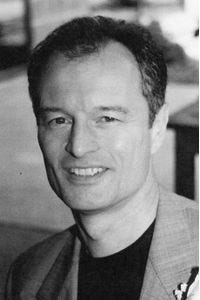
Last night on ITVX, a boy brought up on a rural Yorkshire farm who became a nuclear fusion scientist spoke about his life, three days before his death. He sat outside his home, his mind still sharp and bright, talking about hobbling around on his walker and his son trying and failing to get him to walk ten paces to the barbers.
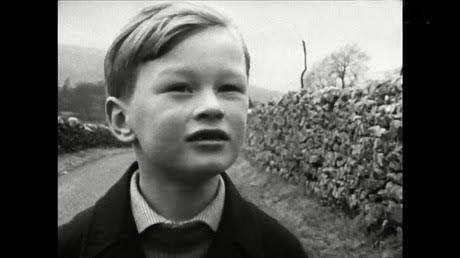
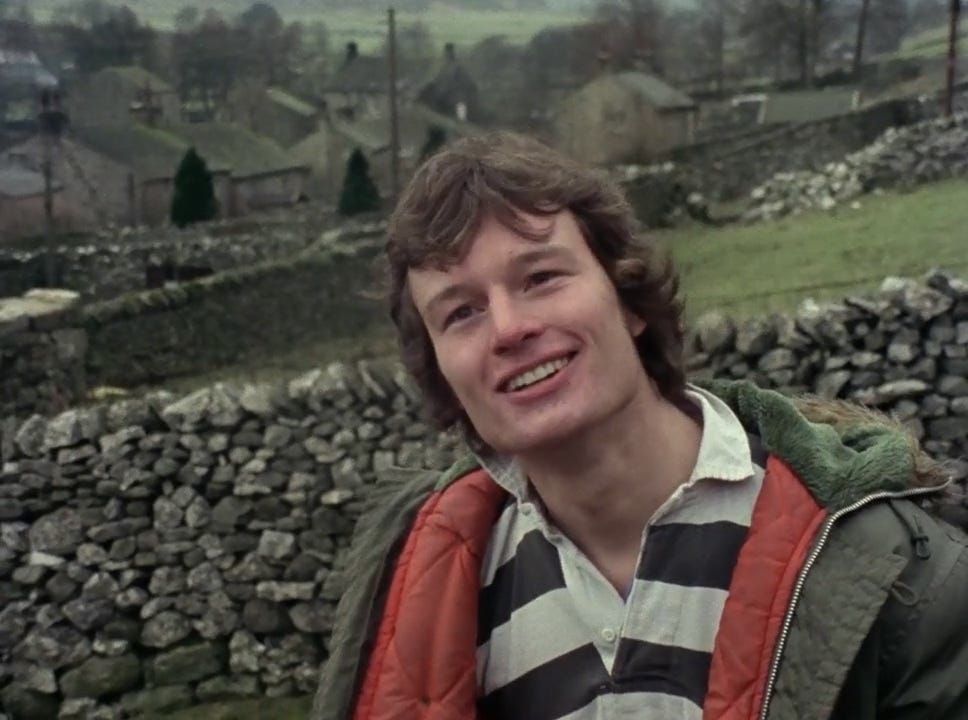
Watching him involved engaging a kind of cognitive dissonance: this desperate, thin man was the same person as a sweet 6-year-old saying he wanted to learn about the moon; a handsome 20-year-old studying Physics in Oxford flirting with the camera; a 48-year-old who had realised that the research he was still passionate about had hit a dead end (Nick was a year younger than the other participants, hence his age not being divisible by the required prime number). The same man was filmed at 62, after a terminal cancer diagnosis, remembering how he’d worried as a teenager about pollution, oceans being deprived of oxygen, and people around the world being displaced by the effects of climate change. He also described the birth of his son, Adam, as “the single moment of pure, unadulterated joy in my life”.
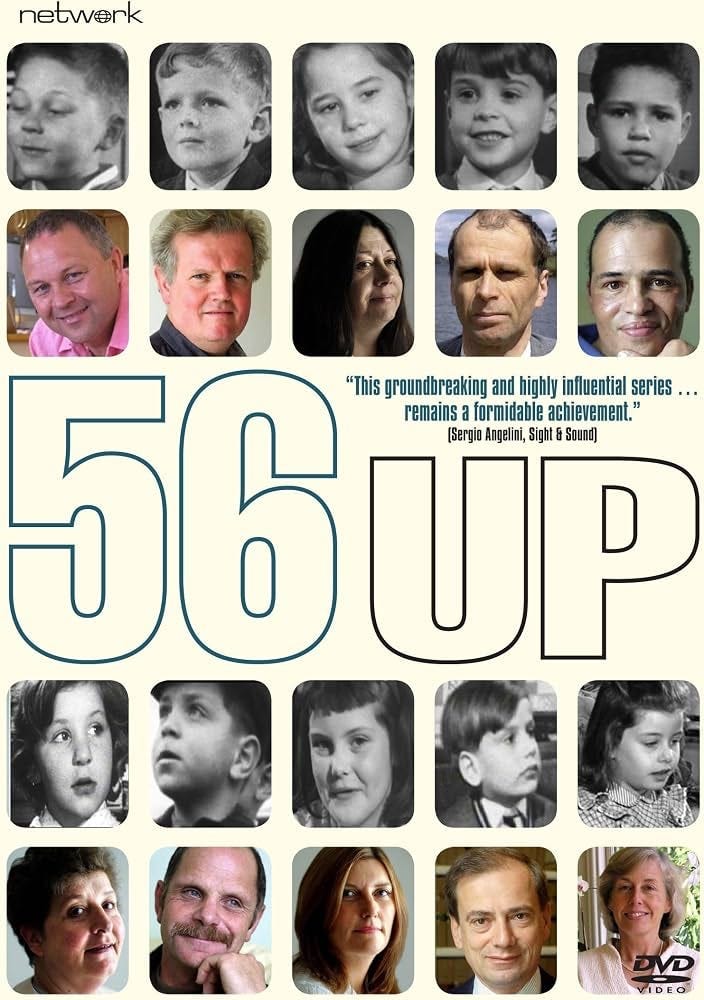
Last night, I’m sure I was one of many crying in front of the TV at the final instalment of 70 Up. This TV experiment began when Michael Apted decided to revisit the children he’d helped choose for a one-off World In Action special about childhood and class in 1963, and see how they were doing as teenagers in 1970. Every seven years after that, despite having a Hollywood film career, he kept coming back. I first became fascinated with the series when 56 Up came out, when I was 34, newly married, trying for a baby, with only a few grey hairs. I bought the DVD and lost myself in old footage of the interviewees’ lives, captured in the media of the time, grainy monochrome, unsaturated colour, HD.
The project was supposed to have ended at 63 Up in 2019, filmed two years before the death of Michael Apted (who, it was revealed on last night’s programme, had undiagnosed early-onset dementia at the time of that programme’s filming). Then in 2023, Nick Hitchon, who had already revealed his terminal cancer diagnosis on the previous episode, emailed Claire Lewis, one of the long-term series’ producers, who he’d known for forty years. A Times Education Supplement piece this week, going into moving detail about his commitment to education, tells us more about how he persuaded ITV to fly Lewis and a camera crew to record his final interview, even though the final series had yet to be commissioned. Another piece in the Bradford Telegraph and Argus by his younger brother, Andrew (who some might remember from earlier episodes, when Nick discussed supporting him with his deafness) also takes us behind the scenes, showing us how determined his sibling was to be filmed one last time.
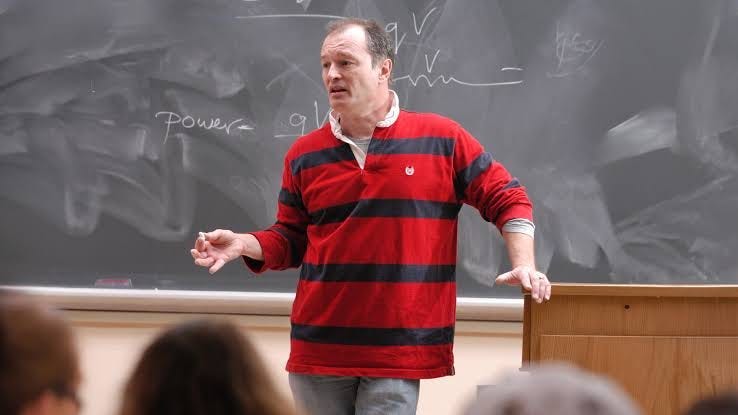
Much loved in academia in Wisconsin, Hitchon was only 65 when he died, and in his last days we see, very clearly, his fear and his pain. We also hear how moved he was to have been part of the series after a revealing exploration and dissection of the project’s ethics. This was a show that began before consent forms existed, when parents weren’t asked to allow their children to do things, when a director who went on to film blockbuster films like Gorillas In The Mist and The World Is Not Enough clearly had preconceived parameters for his cast of characters.
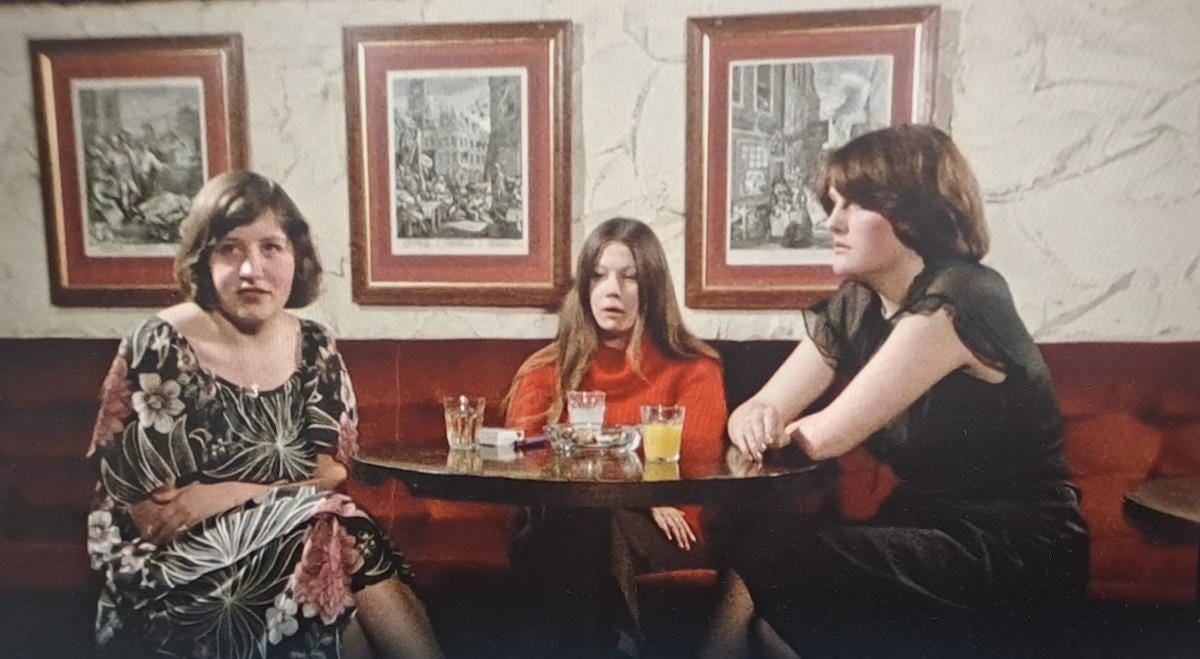
(left to right) Jackie, Lynn and Sue in 21 Up, 1977
Some of his assumptions about gender and class were neatly unravelled last night, revealing the dangers of the documentary format and its need to squash lives and experiences into stark shapes, stripped of nuance and texture. One of my favourite Up participants has always been Jackie, one of only four girls chosen for World In Action Special in 1963, alongside ten boys (a statistic that already speaks volumes). At 21 and again at 49, she castigated Apted for asking her and her working-class female classmates questions he didn’t pose to the working-class boys, let alone the wealthy ones, or the well-heeled, Scottish estate-dwelling girl, Suzy.
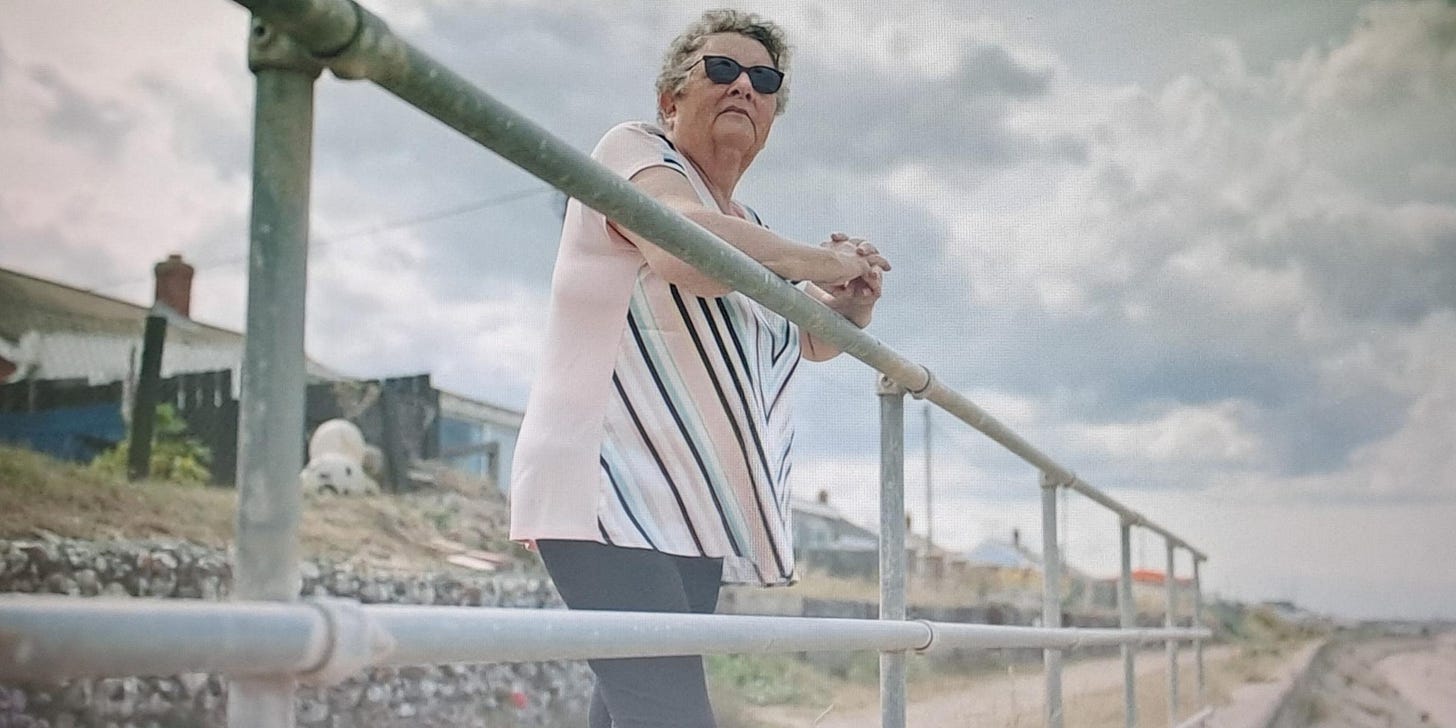
I loved seeing Jackie at peace now in Norfolk at 70, taking in the sea air as she stood on the sand, noting how she’d managed to keep so much of her turbulent life private, including the aftermath of the death of her ex-husband after a car accident. I also loved seeing Andrew, a child of pre-Second World War refugees, so much softer and calmer than before, noting how programmed I’d become to despise him after seeing him first as a seven-year-old trotting out the public schools he would attend, and how he read the FT. (That said, I also felt forlorn that many of the wealthier participants – the sweet, gentle Bruce aside – never really admitted their privilege.)
More questions nipped at me last night, questions which will never be answered (nor of course should they). Watching footage of Peter and Neil playing chess together at 14, I wondered whether they had been friends in those early days, and would have loved to know how they felt about the divergent paths their lives took. Peter was, of course, the sausage-cooking trainee teacher who left the programme after 28 Up, upset after the tabloids berated him for slagging off Maggie. When he returned to the series at 56, he still had a gently alternative edge at 70 Up, a stud prominent in his left ear, as he told us about the depression he had experienced throughout his life from the sanctuary of Liverpool Cathedral.
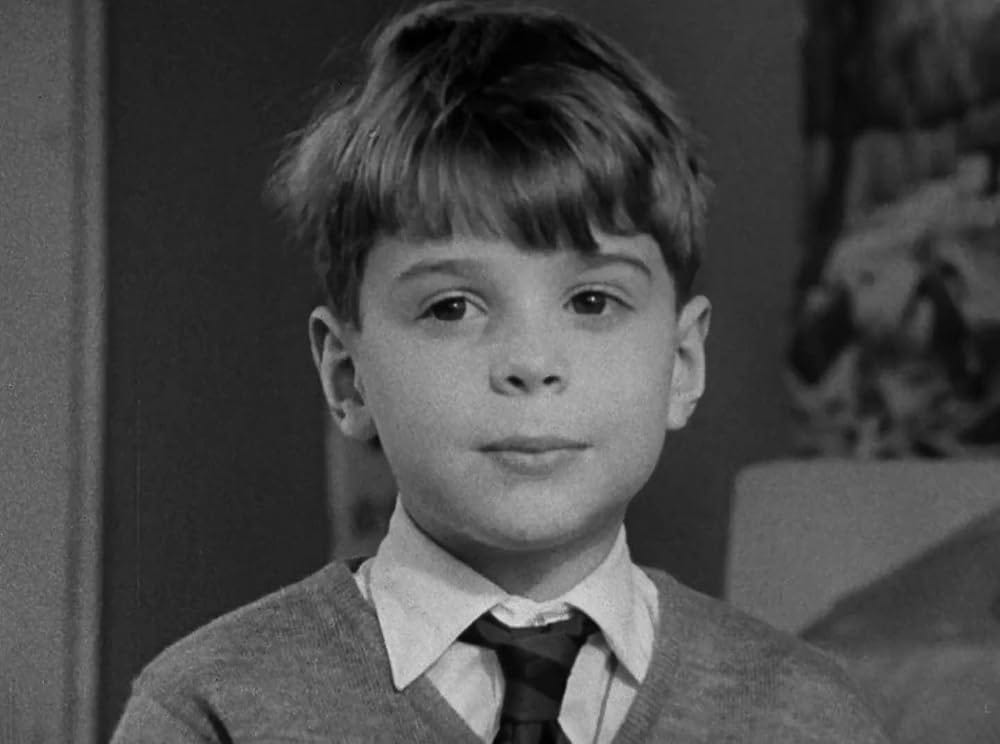
We knew how his schoolmate Neil (above) – 70 Up’s most well-known participant – had dealt with depression throughout his life, and how the church had given him some sense of grounding, but we didn’t know this about Peter. I was also eager to know whether they had ever discussed their similar battles. And Neil’s story still holds mysteries, as I always knew it would.
Last night’s episode delved a little deeper into what he, at 21, called his “nervous complaint”, and one wonders whether neurodivergence, earlier traumatic experiences, or both, shaped his personality. The change in Neil between 7 and 14 remains, to me, the most heartbreaking thing in the series: how broken he seems as a teenager, and how ill he seemed by 35. His comment as a little boy about how children make a mess and get in the way – a moment shown several times in earlier films but left out of 70 Up – still sticks in my mind. But I’m also aware that a documentary naturally pushes you to connect scenes, sometimes problematically, and dig for clues from which to build a story.
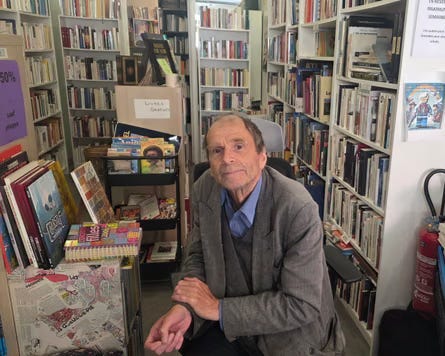
At 70, Neil said he had been spoilt as a child, which made me wonder what his parents were like, whether he had any siblings, how his relationship with his family changed when he became homeless, and how we sometimes revise versions of our lives, if indeed this is what he was doing. He ended up in France as the result of a small inheritance, possibly with his state pension covering the cost of living in a cheap, decaying rural cottage, filled with piles of paper to burn in the stove for heat.
I loved seeing him happy volunteering in a French bookshop, although it made me reflect on how cleverness and bookishness isolate people. It’s also striking to me how Neil took part in every episode, despite his tough life, happy to have every part of it noted and recorded. Still, I wanted more from Neil. I think every 70 Up viewer does. He speaks to part of the human condition we shy away from, that we can never understand fully.
Director Asif Kapadia’s handling of the last few episodes was, overall, beautifully done. He did a great job of including Charles, last seen in 21 Up, a successful film and TV producer, who told us how he escaped the programme’s clutches to make films about other people, and gave us fascinating insight into not wanting to be seen himself. I’d have cut down the feast of flashbacks in the first episode (clearly for newcomers and the Watch Again generation, not for long-term series fans), trimmed some of the melancholic string soundtrack, and made a few additions.
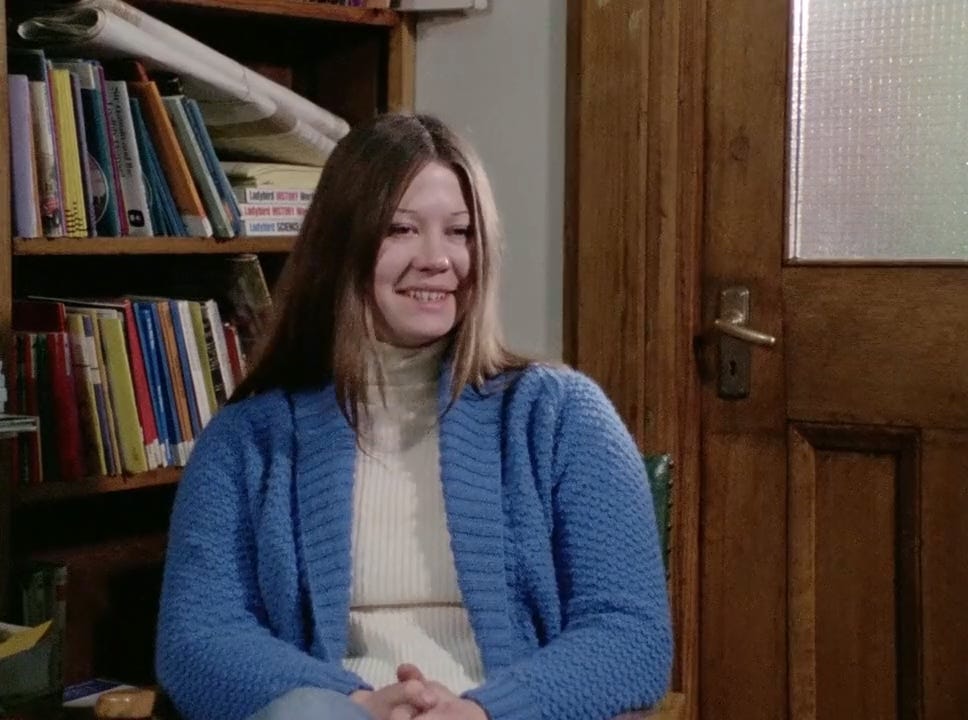
Given the surfeit of old footage, I wish we’d been reminded of Lynn’s impact in the community as a librarian (see above) before she died in 2013, which 63 Up covered beautifully (and which can still be watched on ITVX and online). I also yearned to know more about Suzy, who in earlier episodes had discussed the impact of her father’s death on her life, leading her to become a bereavement counsellor in her forties. Shots of her adult family life also suggested a comfortable existence, but far less wealth than in her childhood. Glimpses like these revealed that life’s unexpected interventions, like grief and the loss of financial support, can have other impacts.
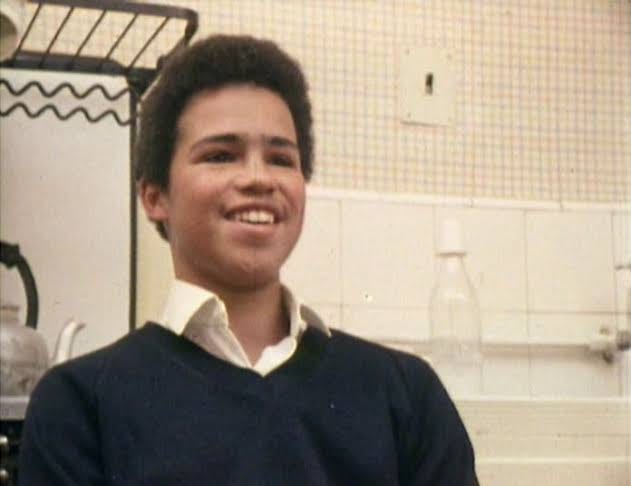
The two lives that affected me the most were Symon’s and Sue’s. Watching Symon and his wife Viennetta become foster carers was remarkably humbling, given Symon’s tough early years in a care home. We also heard about changing relationship with his mother, with whom he eventually found peace.
I also loved following the life of working-class Sue – all those gorgeous 1970s and 1980s shots of her commuting to work on the bus –making me think of Western women’s places in a world where many of their lives were quietly but radically changing. I also loved Sue’s insistence on not marrying her partner as a younger woman, which persisted until recent years, when she decided she wanted to.
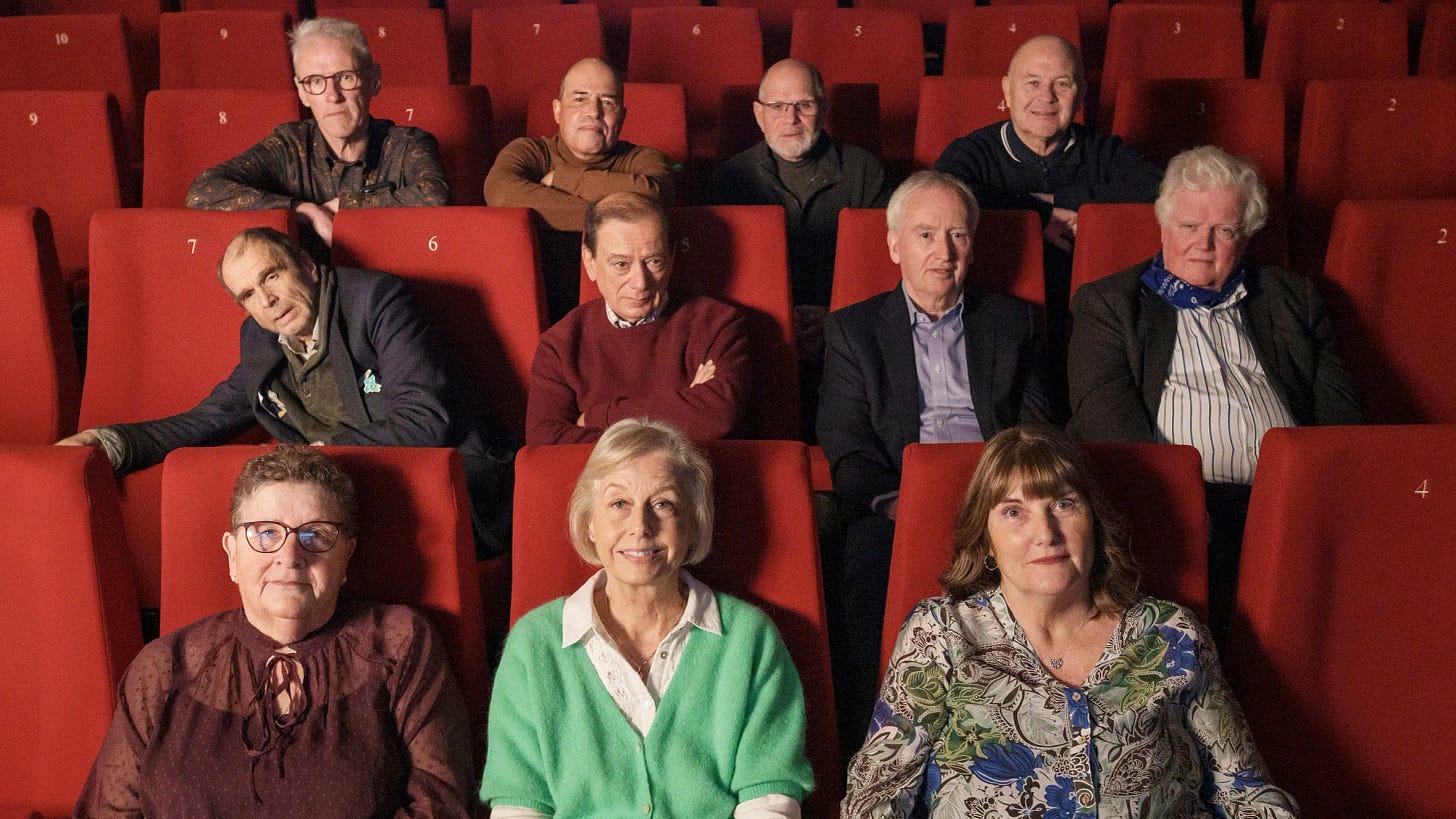
Top row, left to right: Peter, Symon, Paul, Tony;
Second row: Neil, John, Andrew, Bruce;
Bottom row: Jackie, Suzy, Sue
Recorded in 2026, but not filmed: Charles.
The final minutes were tough; the music was almost too much, reminding us that we were watching people face their own mortality. It was also a shame to not have a final word from Neil – I wondered if this was because his story doesn’t provide the moment of uplift and conclusion that a documentary requires.
But it was great to see Jackie at the final hurdles. She bursts into tears, appalled with herself – “and with that, I’m saying, done, I’m finished, over!” Her next two words were genuinely tender, earnest and emotional. “Thank you.” I cried like a baby.
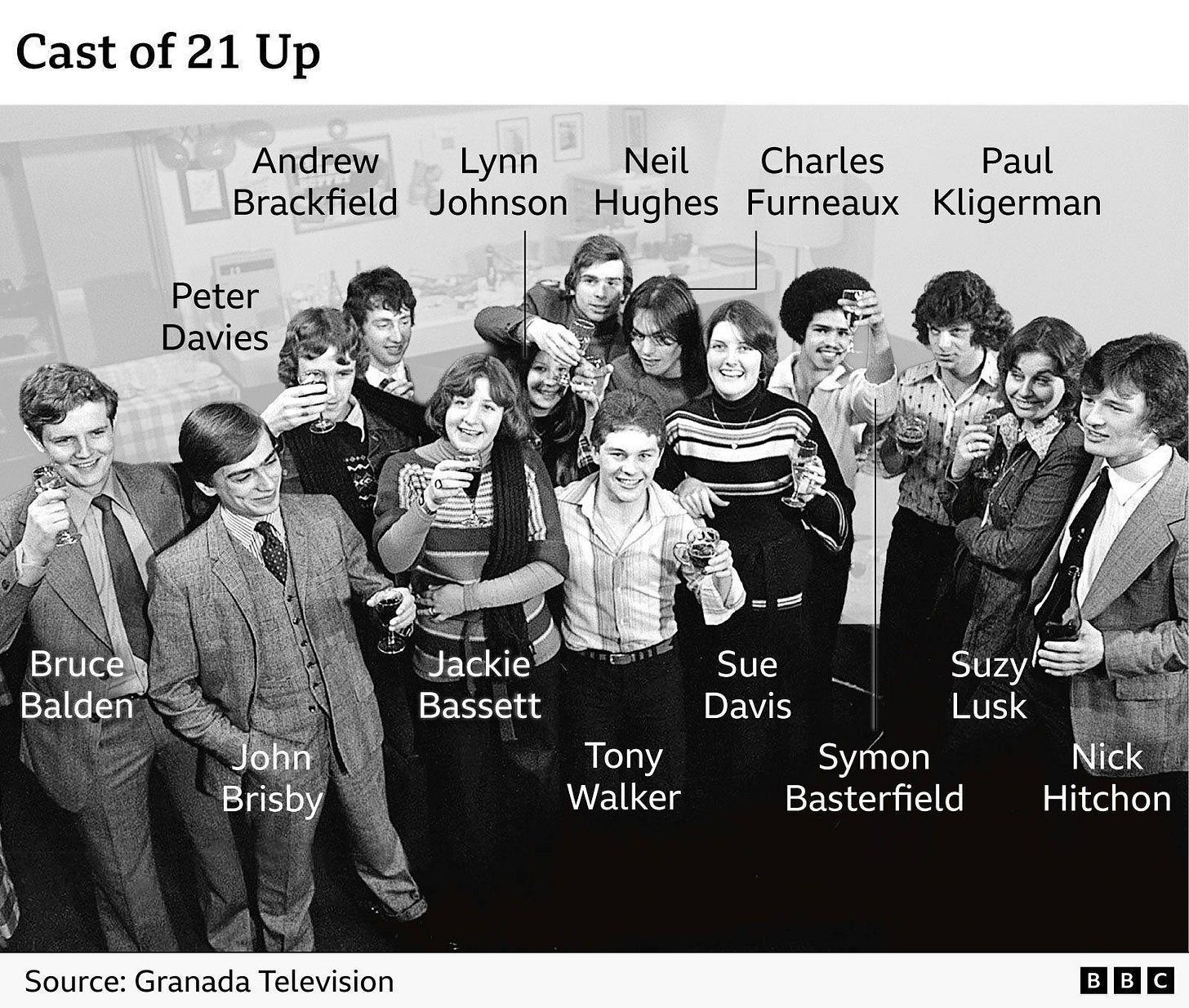
Nick’s last words will also stay with me, sounding more like a boy from North Yorkshire than he’d been for years, the American edges of his accent fading away. “To me, this is tremendously important,” he said on the porch of his house, reflecting on what the documentary had meant to him. “In my life, there’s always been another episode of this coming up, and it’s kind of exciting, so I’ll miss it. When you guys pack up and leave, and I’m fairly sure we’re not going to do this again, I’ll feel there’s a hole in things that I haven’t experienced since I was six.” He then repeated himself. “It’s been with me since I was six.”
One of his old quotes played beautifully over the final footage, giving the show its fitting epitaph. “You know how you see this time-lapse photograph of a flower, and it blossoms and then fades away? Well, seeing that with a person is amazing because we don’t see that – the big picture of how they change over time.”
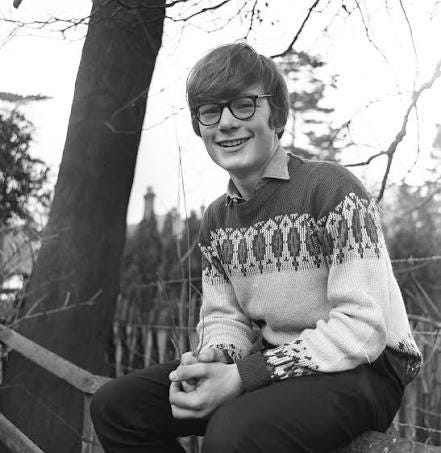
We’ll never see it in this way again. In our era of social media, celebrity, on-demand TV and necessary rules around consent, a programme this powerful, this ethically compromising, could never be made. But we should remind ourselves that we’re lucky enough to have the privilege of watching it back, reflecting on the messy arcs of fourteen very different human lives, and our deep desire to understand them.
*This has been changed, after a comment from a reader about Neil’s inheritance being revealed in 63 Up, as has a change to the cathedral and a name correction. Thank you!
Just watched the ending again, guys. The bit at the end where they use the 7 Up footage of the kids in the adventure playground, then say that Symon, from a children's home, "set about building a house" – then they cut to him and his family, including his foster kids. Bawling.
Beautiful piece I too wanted a last statement from Neil but glad we saw him in France looking as settled as we have ever seen him. What a programme and what an insight into lives and also the way tv has changed.